 |
stanleyfykenets.com
207-610-9669
|
|||||||||||||||||||||||||

 |
 |
 |
Please like and follow us on Facebook

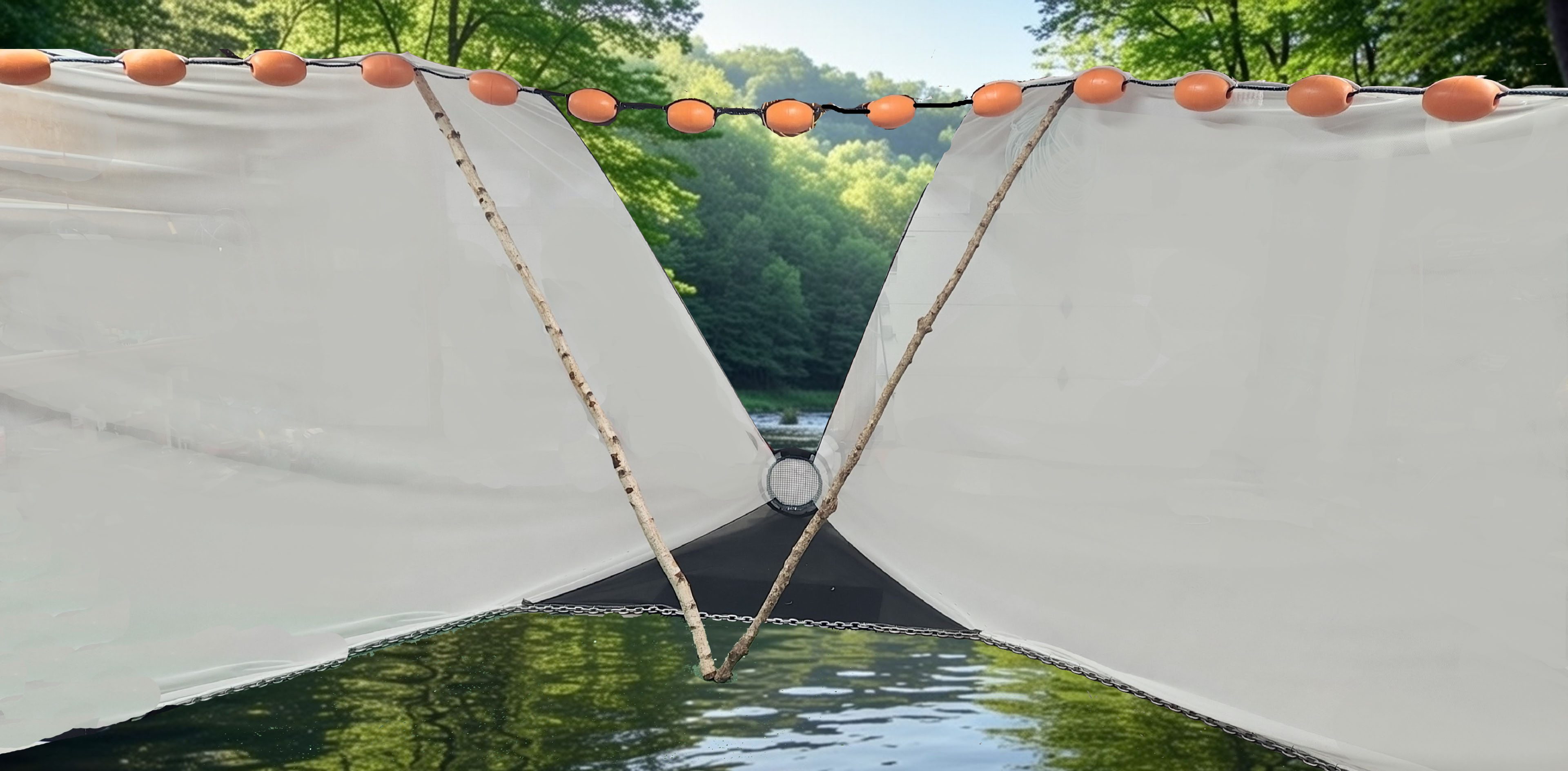
Years of experience with making elver fishing net has resulted in our ability to offer top quality, built to last fyke nets.
|
A customers catch from a 10x30 stanley fyke net
|
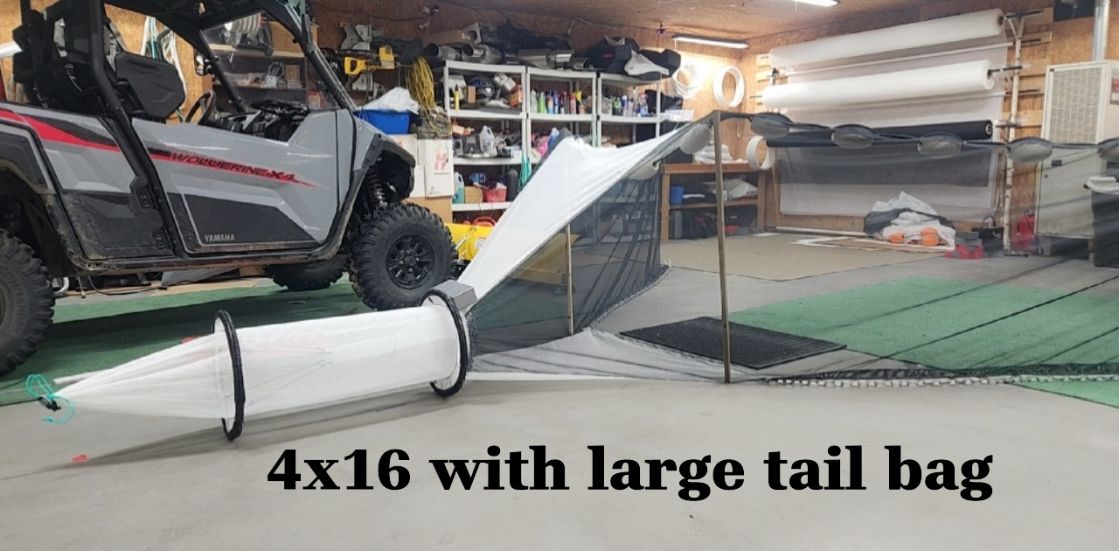 |
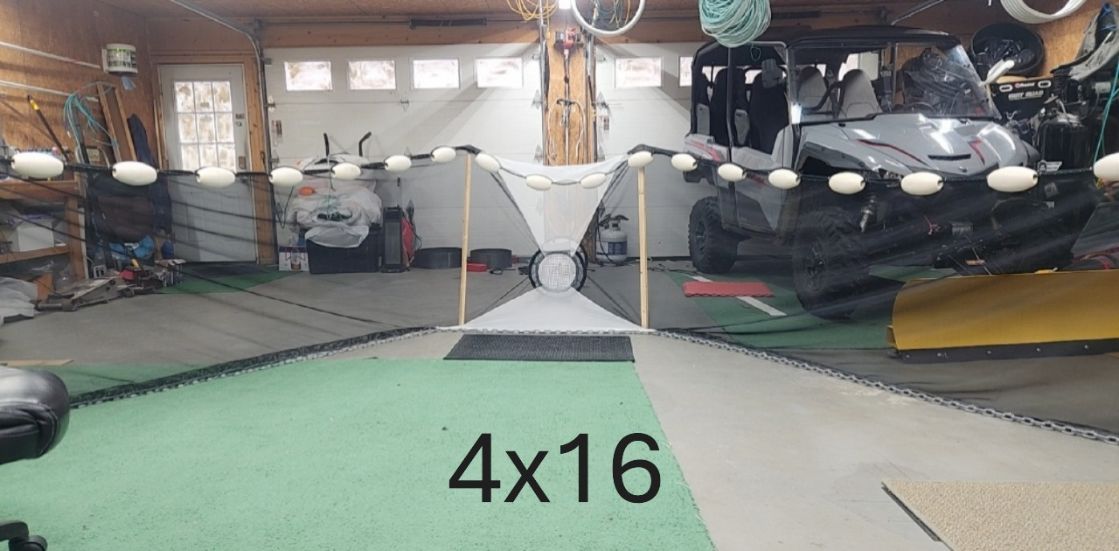 |
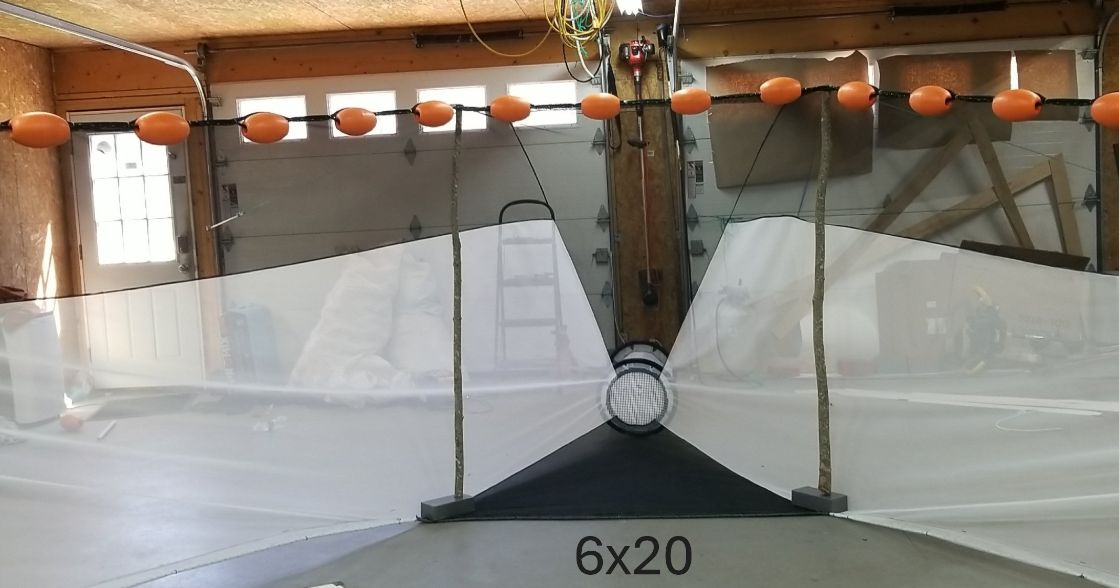 |
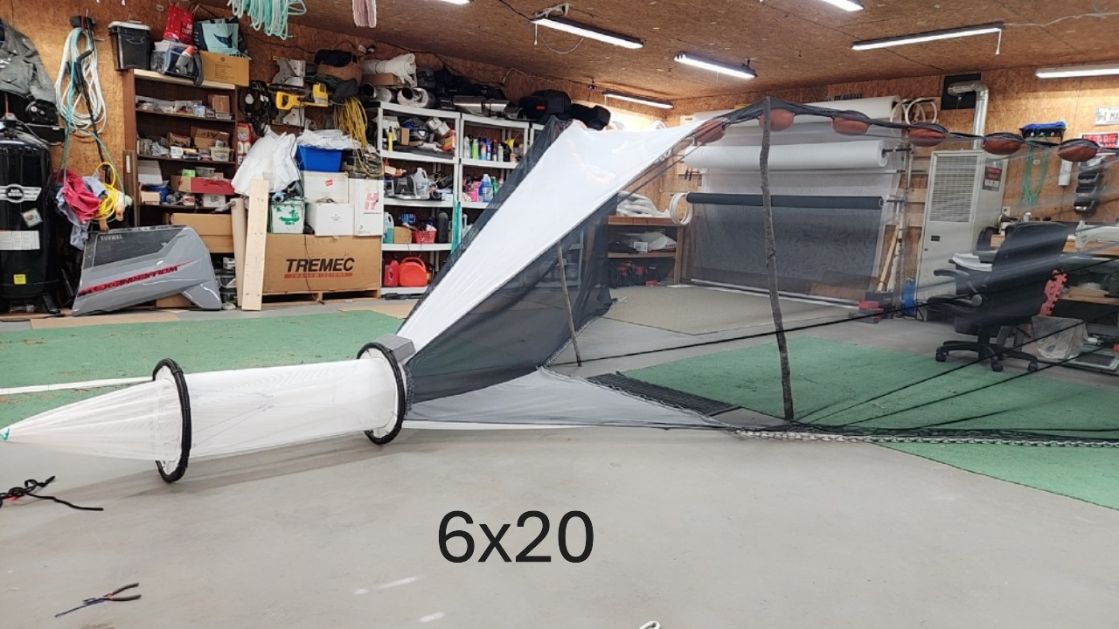 |
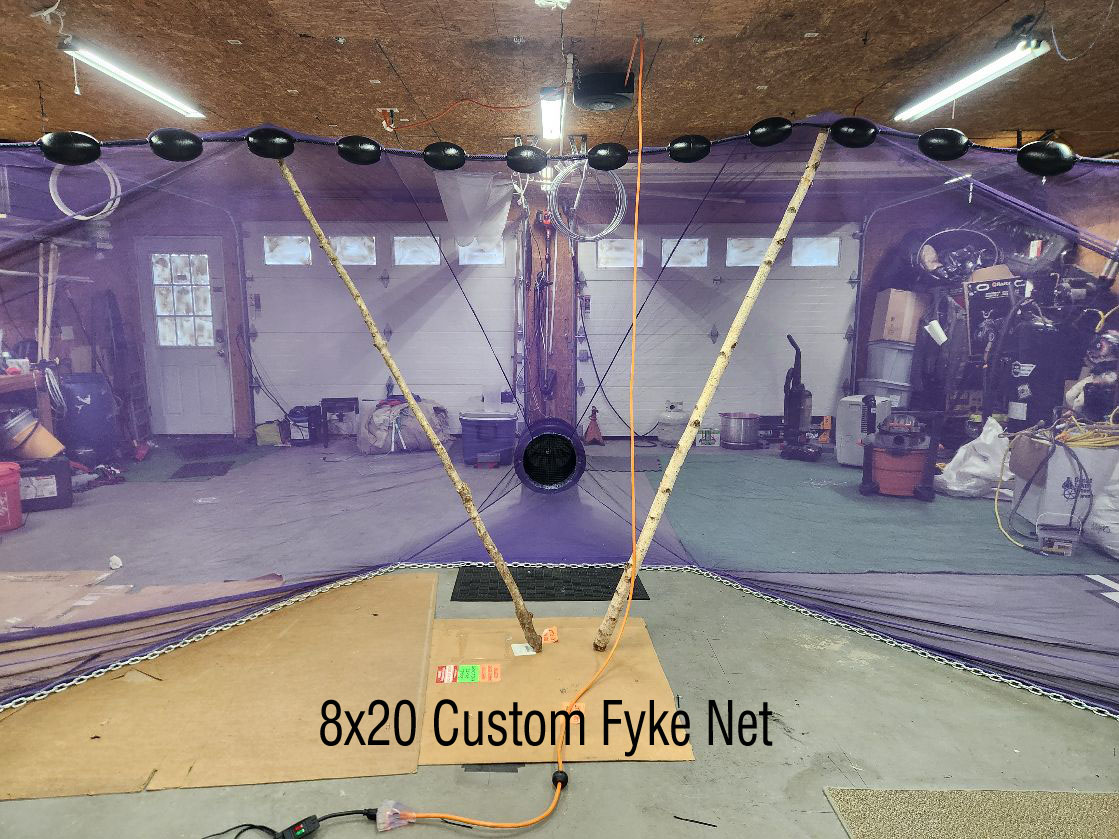 |
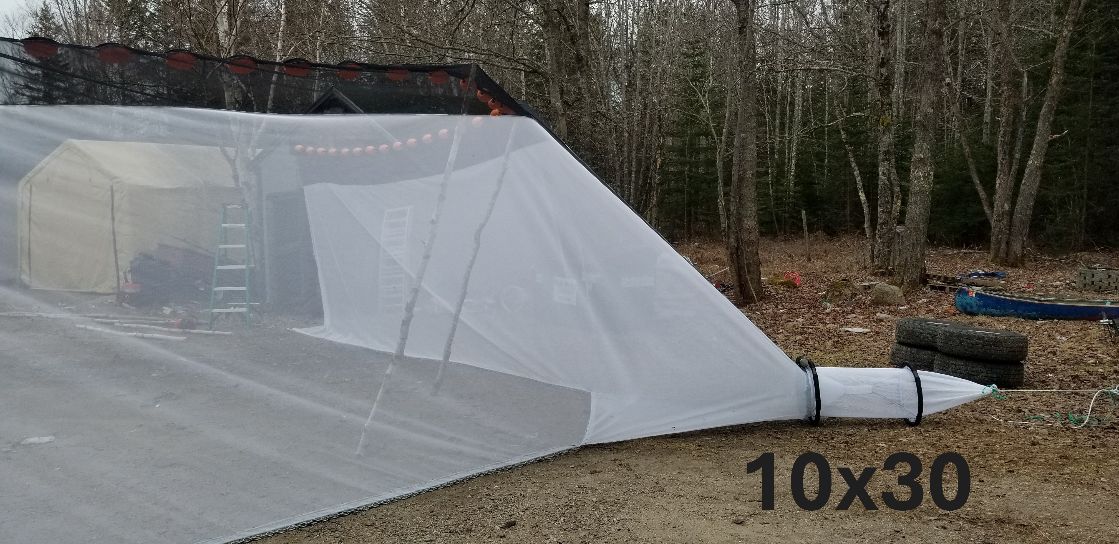 |
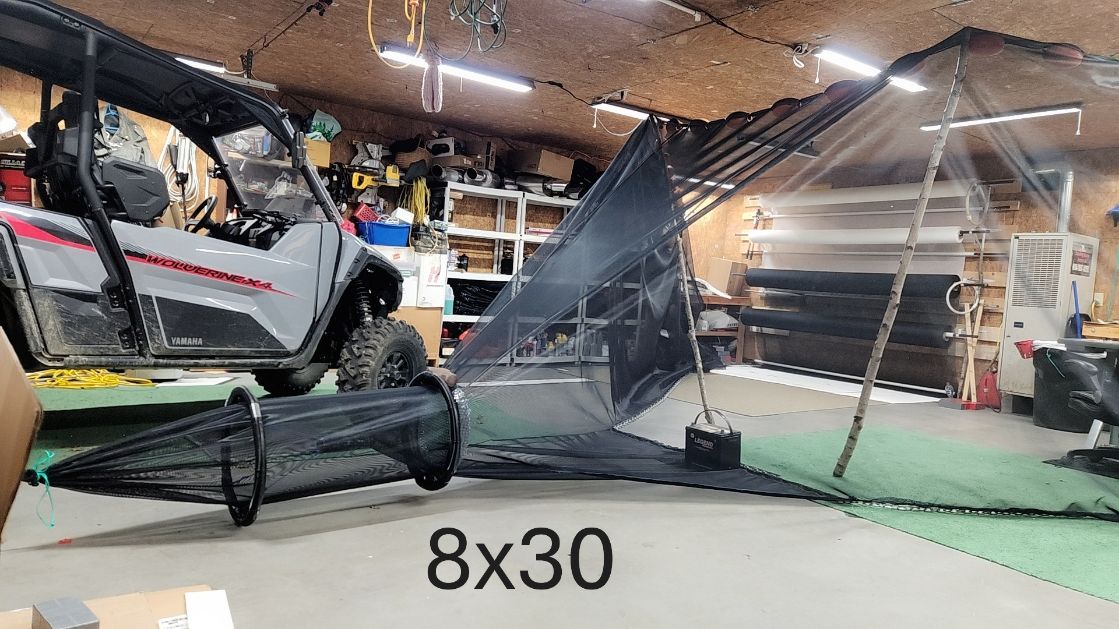 |
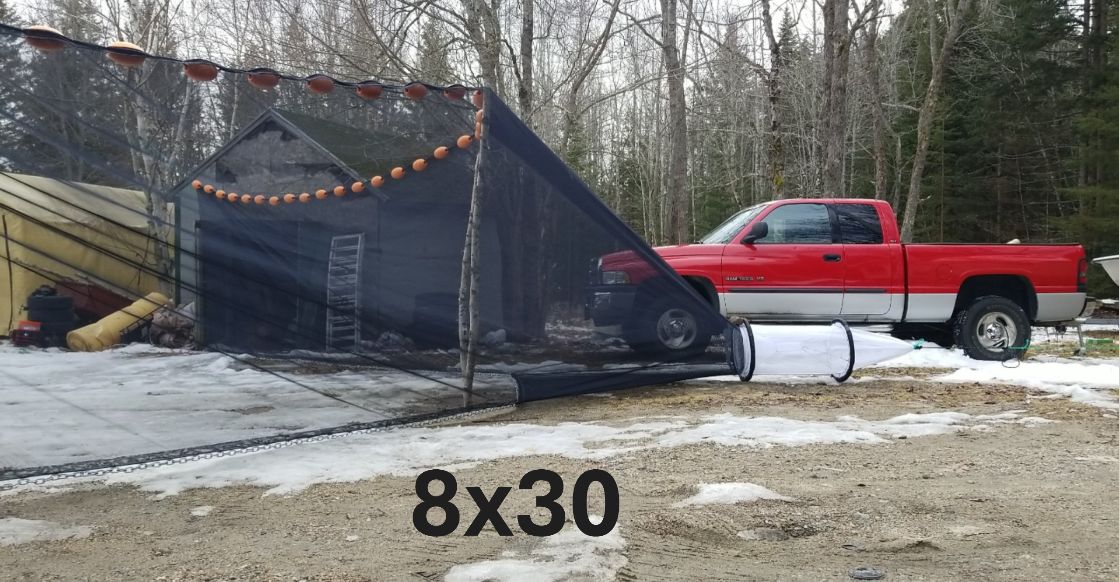 |
 |
 |
 |
 |
 |
 |
 |
 |
 |
|
-
Orders: I recommend calling or messaging before placing orders for size availability and time on order completion.
-
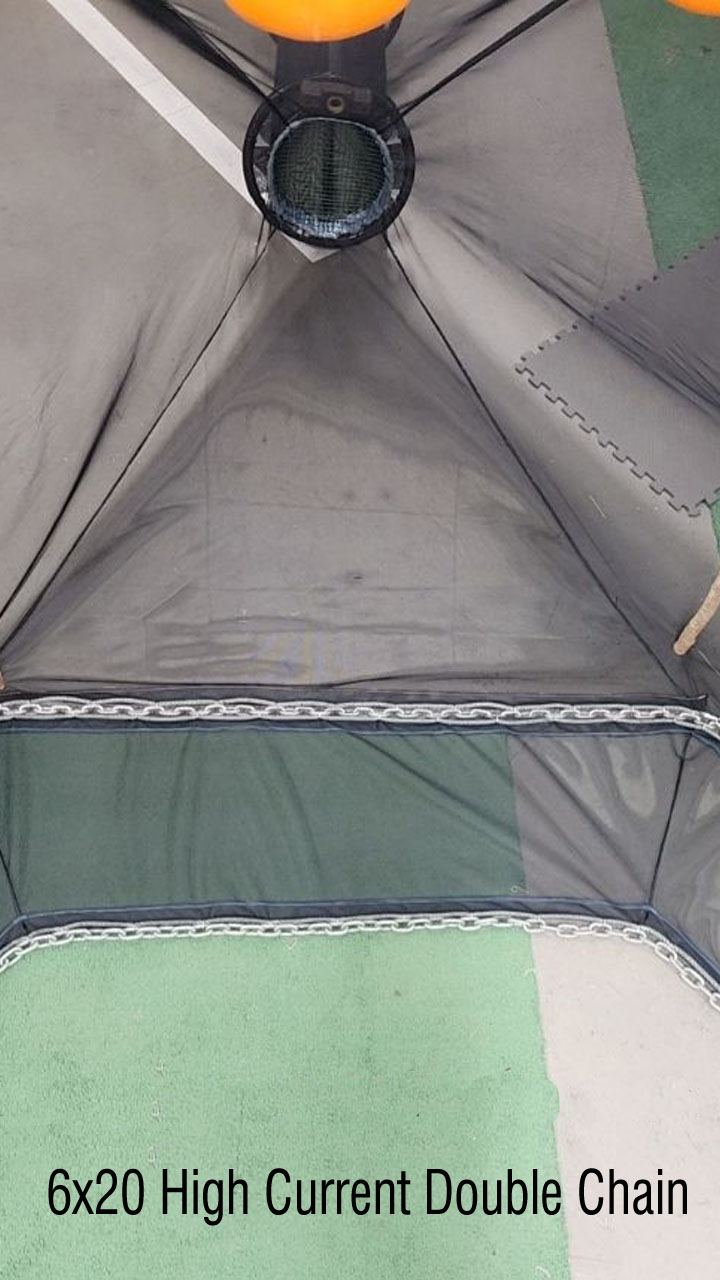
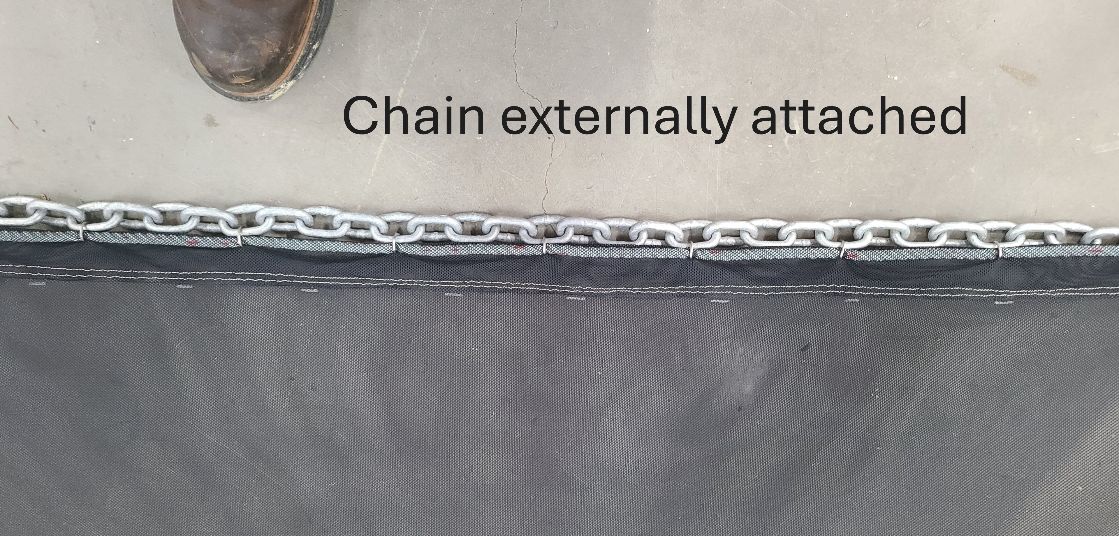
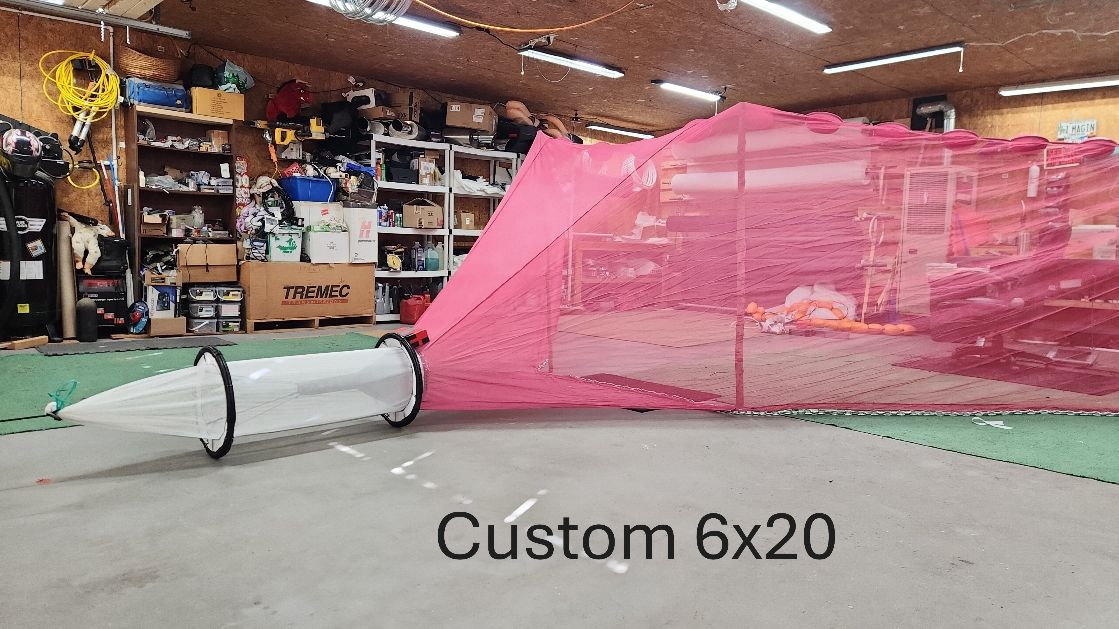
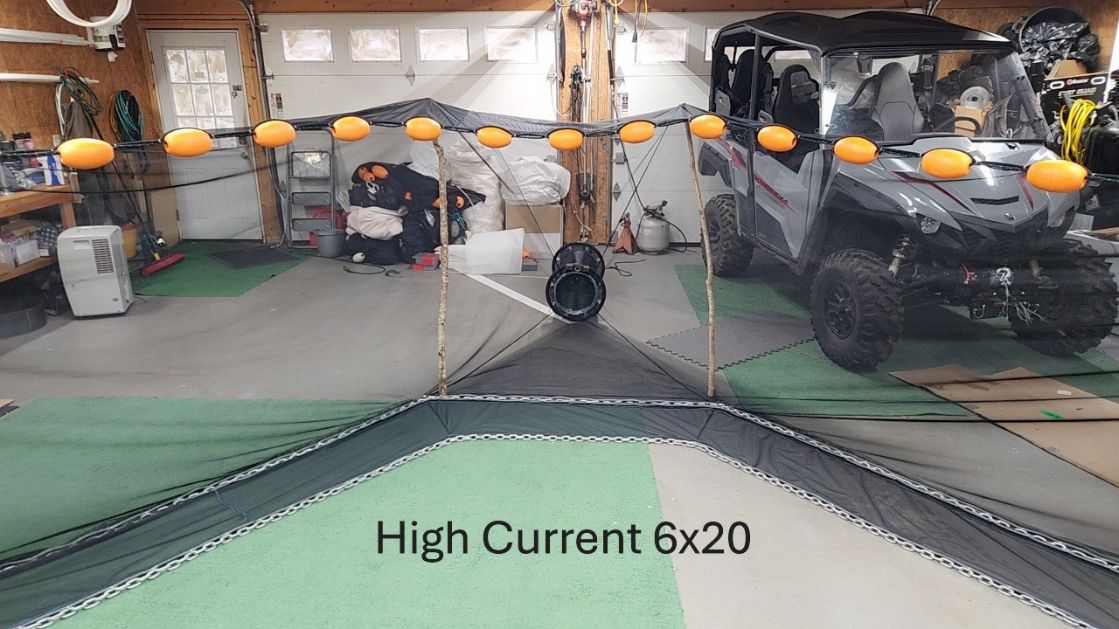
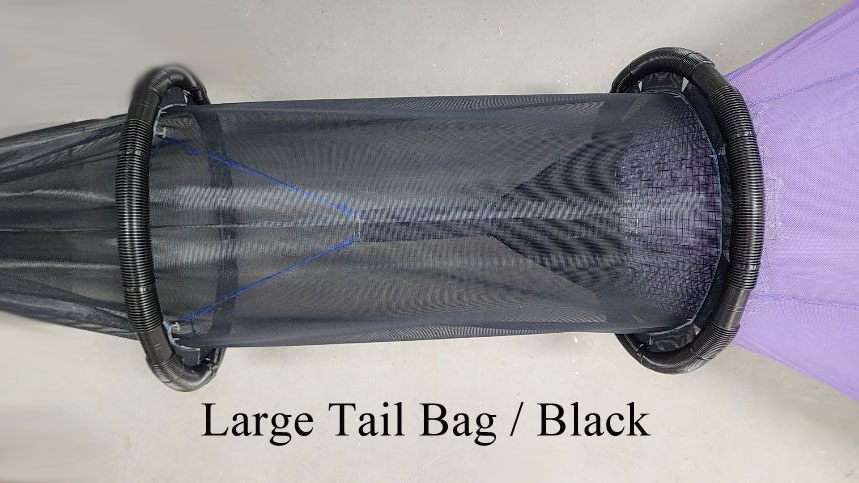
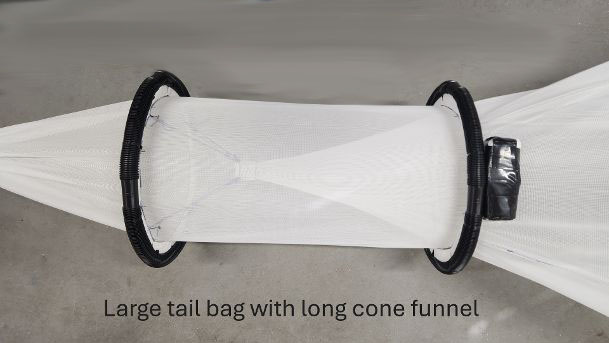
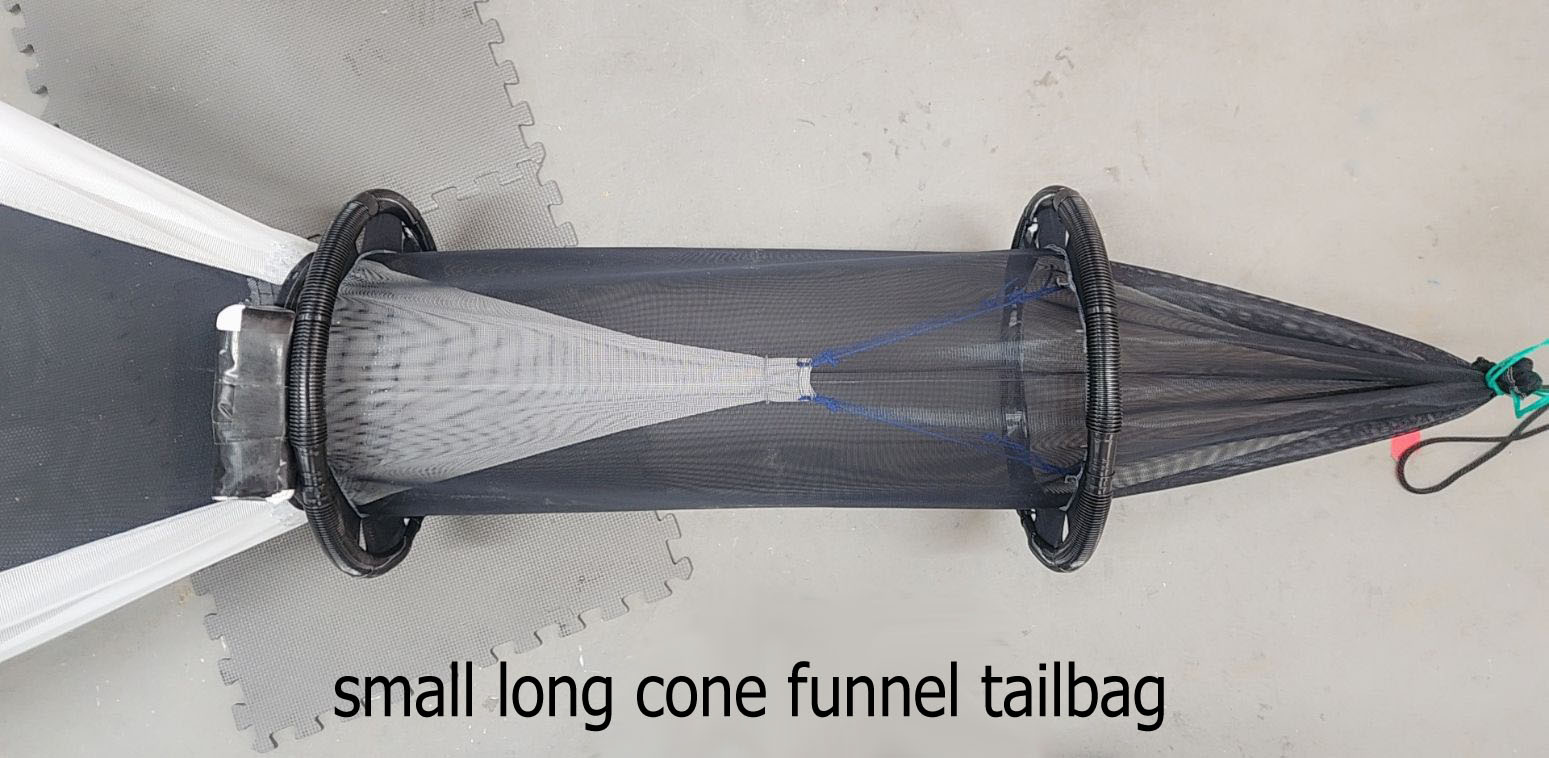
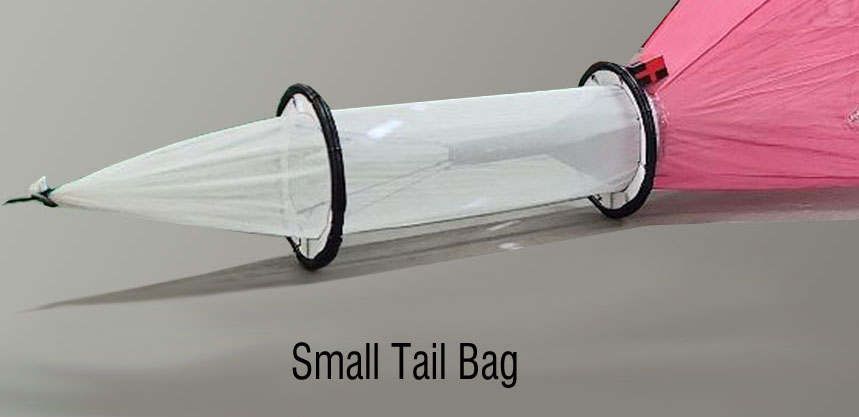
Custom orders-You can customize your fyke net in any color or configuration. High current net option can be added to any size net. It’s a double chain bottom for setting in very strong current spots where keeping the bottom of the net down can be very difficult. This option is the solution. Choice of two different catch bag sizes and two different funnel styles which are cone and tube or long cone style. Custom wing length available on any size net. Custom colors also available. Must call for pricing, color availability, and timeline on completion of colored and custom nets.
-
Net repairing is also available on the off season only from June 1st through November 1st. No job too big or small.
-
Shipping is also available in US and Canada. Please call or message me for shipping costs to your area. Feel free to call or message me with any questions.
A fyke net is a traditional type of passive fishing gear, successfully used in shallow coastal contributing waters, estuaries, rivers, and lakes to catch fish and crustaceans (especially eels, but also species like perch, catfish, smelt, or shrimp).
Design and how it works
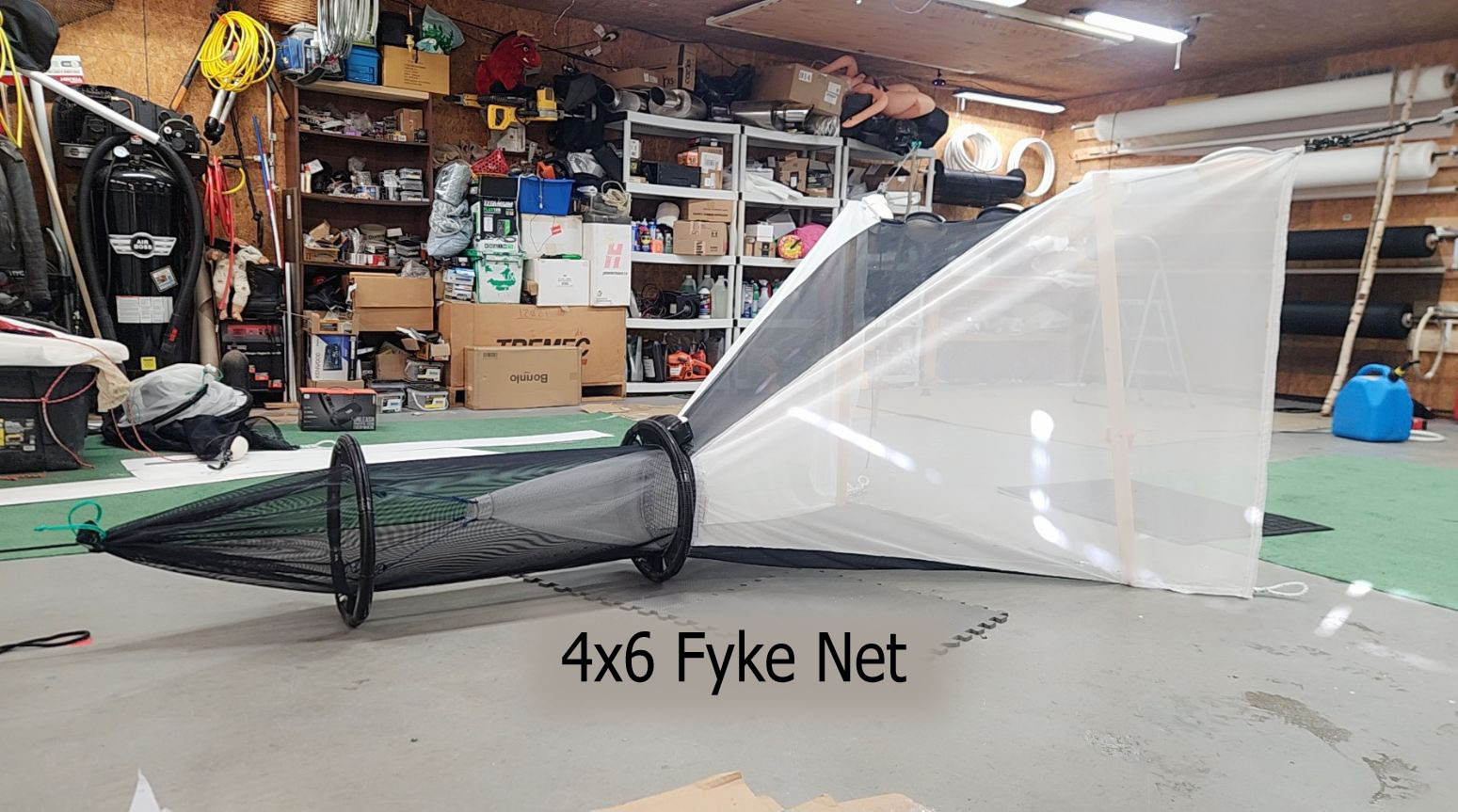
It consists of a long, cylindrical net bag (the “cod end”) supported by hoops or rings.
Attached to the mouth of the bag are one or more funnel-shaped throats that narrow inward. Fish swim into the funnel but find it difficult to get back out.
Long wings or leaders traditionally 10–50 meters or more are made of netting stretched out perpendicular to the current or shoreline. These border nets act as fences that guide fish toward the entrance.
Double fyke nets (the most common modern version), there are two opposing funnels/fyke units connected by a straight leader in the middle, so fish can be caught moving in either direction.
The entire net is usually anchored to the bottom and held in place with stakes or weights, and usually have floats on top.
Typical uses
Commercial and subsistence fishing for eels, especially European eel Anguilla anguilla and American eel Anguilla rostrata. Scientific monitoring and population surveys widely used by fisheries, biologists because the fish stay alive inside the net. Crayfish and shrimp trapping in some regions.
Advantages
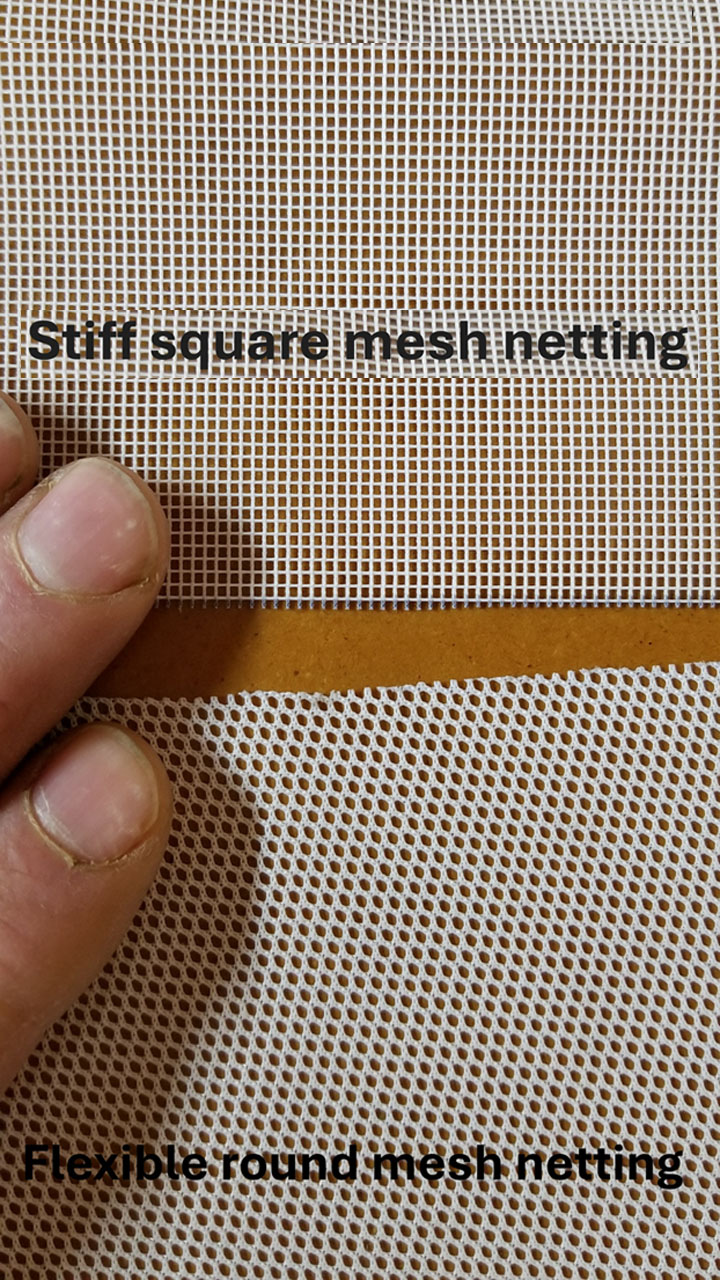
Highly selective for certain species and sizes as mesh sizes can be adjusted.
Fish remain alive, which is good for live markets or catch-and-release studies.
Relatively low maintenance once set.
Disadvantages / Controversy
Can be very efficient, leading to local overfishing of slow-growing species like eels.
In some areas, fyke nets are heavily regulated or banned during certain seasons because they catch everything that follows the leader which includs non-target species and juveniles.
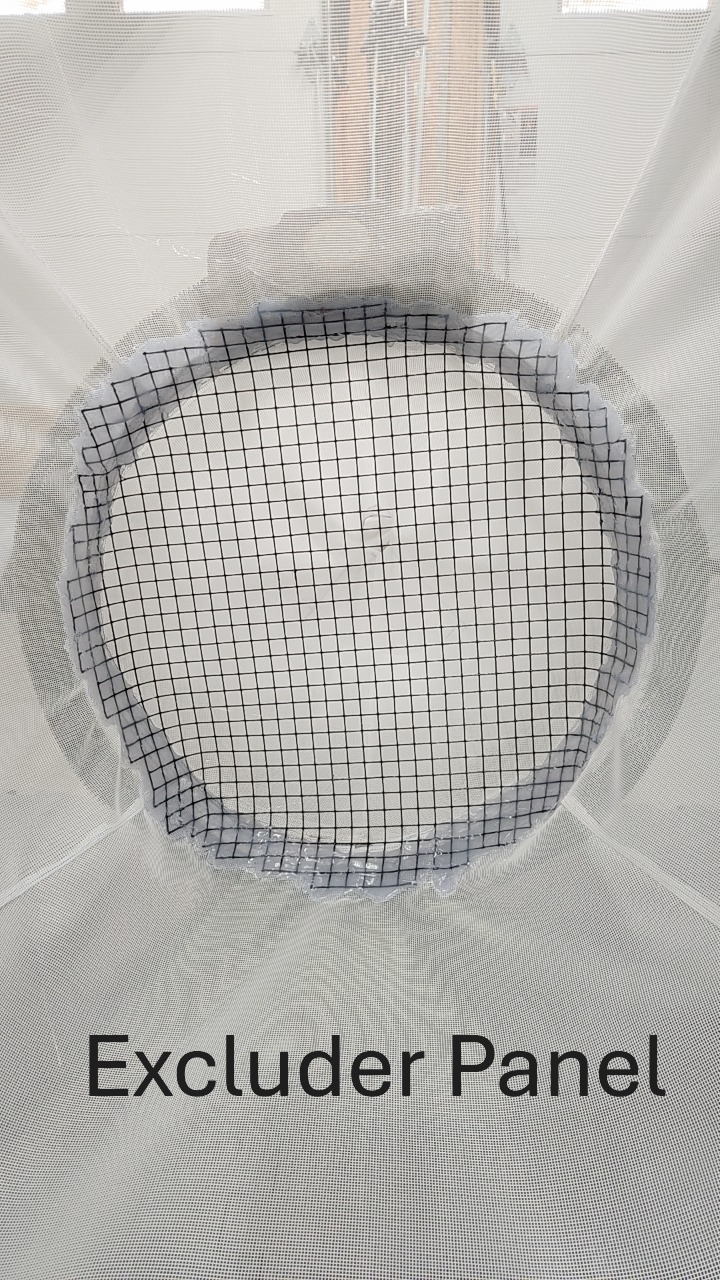
There can be high rates of bycatch of non-target animals turtles, water birds, otters, etc. if not equipped with escape devices or turtle excluders.
Legal status
European Union: Strictly regulated under the Eel Regulation (since eel stocks collapsed); many countries require permits and escape panels for otters.
United States: Common in states like Maine, Delaware, and the Great Lakes for eel and baitfish; usually requires commercial licenses and bycatch reduction devices in some waters.
Canada: Widely used in Atlantic provinces and Quebec for eel fishing.
In short, a fyke net is essentially a sophisticated, permanent-version fish trap that works like a one-way maze, very effective but often tightly regulated today because of its catching power.
Helpful Fyke Net Information
Fyke nets in Maine are used in commercial fisheries, most notably for harvesting American eels in the glass eel/elver fishery and the yellow eel fishery. These long, funnel-shaped nets are submerged in rivers and brooks to catch migrating eels as they swim upstream. The use of fyke nets is heavily regulated in Maine, with rules on fees, licensing, and specific restrictions on how and where they can be set.
How fyke nets are used in Maine
Elver fishery: Fine mesh fyke nets are deployed in freshwater systems to capture young eels (elvers) as they return from the ocean.
Yellow eel fishery: Larger, baited fyke nets are used to catch more mature, yellow eels that are growing in brackish and freshwater environments.
Placement: Nets are typically set to span the width of a brook or river, with metal rebar or other methods used to hold the loops in place. The current directs the eels into the net's opening.
Retrieval: The fish are held inside internal funnels that prevent them from escaping. To retrieve the catch, the end of the net is opened.
Bycatch: Any species other than elvers caught in an elver fyke net must be immediately returned to the water alive.
Regulations and restrictions
Fees and licenses: There is an annual fee for each elver fyke net or Sheldon eel trap used.
Method of fishing: It is illegal to set or tend an elver fyke net from a boat or to build artificial platforms to fish for elvers.
Gear: There are specific limits on the types and amounts of gear that can be used.
Presumption: A fyke net is presumed to be used for fishing for elvers unless proven otherwise.
Prohibited areas: The use of fyke nets is prohibited in certain areas, such as the St. Croix River
Fyke Netting is a useful method for glass eel harvesting commonly use in Maine and New England areas. At different times of the day and/or season, many different fish species utilize the littoral zone area for feeding and spawning purposes. Fyke nets tend to be the most useful in capturing cover-seeking mobile species, migratory species that follow the shorelines. Please note: Northerns are most readily caught at ice out and walleyes at water temperatures of 46 F. Bass seldom become trapped in fyke nets.
All of our fyke nets are constructed of a series of hoops that are covered in webbed netting. Fish enter the fyke net through a lead funnel from which they then enter into one of two or more internal funnels. These internal funnels prevent fish from reentering the lead funnel and swimming out of the net once they are caught. At the end (sometimes called the cod end) of the internal funnels are cages where the fish are held. The cod end is tied off to a buoy that is easily opened for access to the fish.
Fyke nets are set and typically raised three days later, usually in the morning (approximately 60-72 hours). Stanley Fyke Nets could show you how this is done if desired. Nets may be raised multiple times depending on the season and weather. Game fish caught in the fyke nets are released unharmed though undesirable fish species (i.e. carp, bullheads, green sunfish, goldfish, and other exotics) may be removed at your discresion. Additionally, you may remove all bluegills and sunfish less than 5 inches if there is not a problem with stunted fish.
Carp, muskrats, beaver, large snapping turtles, boat props and vandals may damage the nets while they are deployed. Damage to the fyke nets may result in additional labor charges to mend and repair the damaged nets.
| https://www.doc.govt.nz/ mainepublic.org/-elver-fishery |
